

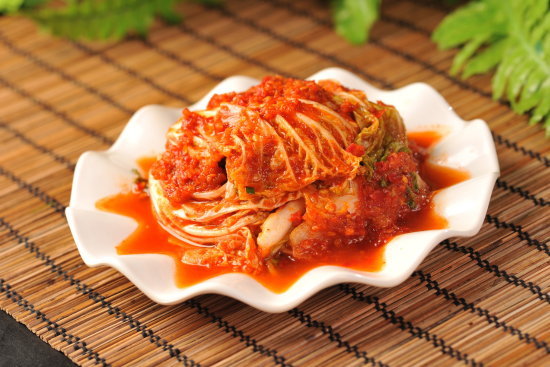
If you’ve ever polished off a spoonful of kimchi with dinner and spent the evening unbuttoning your jeans, you’re not imagining things — and you’re definitely not alone. A quick scroll through any fermented-food forum turns up the same question over and over: does kimchi make you gassy, or is something else going on? The short answer is that yes, for a lot of people, kimchi can absolutely cause gas. The longer, more useful answer is that why it happens, how long it lasts, and what you can do about it depend on a handful of factors that are actually pretty easy to understand once you know what’s happening inside your gut.
This guide walks through the whole picture: what kimchi is, where it came from, why it exploded in popularity, and — the part you’re really here for — the science behind why this spicy, fermented cabbage dish messes with your digestion. Along the way, you’ll get practical, kitchen-tested strategies for eating kimchi without paying for it later.
What Exactly Is Kimchi?
Kimchi is a Korean side dish made by salting vegetables — usually napa cabbage, though radish, cucumber, and scallions are common too — and letting them ferment with a seasoning paste built from chili flakes (gochugaru), garlic, ginger, and often a salted seafood product called jeotgal. During fermentation, naturally occurring bacteria, mostly from the Lactobacillus and Leuconostoc families, convert sugars in the vegetables into lactic acid. That’s what gives kimchi its sour tang, its slight fizz, and its long shelf life in the fridge.
There isn’t just one kimchi. Korean households have historically made dozens of regional varieties — some mild and barely fermented, some aged for months until they turn deeply sour and almost effervescent. That range matters more than people realize, because a two-day-old kimchi and a two-month-old kimchi behave very differently once they hit your digestive tract. We’ll come back to that.
Where Kimchi Comes From
Fermenting vegetables in Korea goes back a remarkably long way — some food historians trace simple salted vegetable preservation to well over two thousand years ago, long before chili peppers ever entered the picture. Early kimchi wasn’t red or spicy at all. It was closer to a salted, brined vegetable meant to survive brutal winters when fresh produce simply wasn’t available.
The kimchi most of us recognize today — bright red, fiery, packed with garlic — is actually a fairly recent addition to that long history. Chili peppers arrived in Korea from the Americas by way of trade routes in the late 1500s and early 1600s, and it took time before gochugaru became a defining ingredient. Once it did, kimchi shifted from a purely preservation-driven food into the complex, flavor-forward dish it is now.
The tradition of kimjang — the communal, seasonal ritual of making large batches of kimchi together before winter — is significant enough that UNESCO recognized it as an Intangible Cultural Heritage of Humanity in 2013. That’s a good reminder that kimchi isn’t just a health-food trend; it’s a genuinely old, deeply rooted culinary practice with its own rules, regional identities, and family recipes passed down for generations.
Why Kimchi Became a Global Obsession
Kimchi’s jump from a Korean kitchen staple to a shelf item in ordinary Western supermarkets didn’t happen by accident. A few things lined up at once.
First, there’s the Korean Wave — the global rise of K-pop, K-dramas, and Korean cinema — which put Korean food in front of millions of people who’d never tried it before. Watching a character on screen crunch into a plate of kimchi tends to make people curious enough to try it themselves.
Second, the broader “gut health” movement gave fermented foods a halo they didn’t always have. As more people started paying attention to probiotics, live cultures, and the microbiome, kimchi got lumped in with sauerkraut, kefir, and kombucha as one of the “good for your gut” foods worth adding to a weekly rotation.
Third — and this is the part that circles back to our main question — kimchi is genuinely versatile. Chefs outside Korea started folding it into grilled cheese, fried rice, tacos, and burgers, which meant people were suddenly eating a lot more of it, a lot more often, in a lot bigger portions than a traditional side-dish serving. And that shift in portion size is one of the biggest reasons more people started noticing gas and bloating after eating it in the first place.
So, Does Kimchi Make You Gassy? The Honest Answer
Yes — for many people, kimchi does make you gassy, and there’s a real, explainable reason behind it rather than just bad luck. Kimchi sits at the intersection of three things your gut can be sensitive to: fermentable carbohydrates, a sudden dose of live bacteria, and a strong seasoning blend built around garlic and onion. Any one of those on its own can cause mild gas in a sensitive gut. Put all three together in one dish, and it’s no surprise that kimchi has a bit of a reputation.
That said, “does kimchi make you gassy” isn’t a yes-or-no question that applies identically to everyone. Some people eat kimchi daily with zero issues. Others get gassy from a single forkful. The difference usually comes down to gut bacteria composition, how much and how often you eat it, whether your kimchi contains garlic and onion, and how fermented (and therefore how “alive”) the batch actually is. Understanding those variables is the real key to answering does kimchi make you gassy for your particular gut.
Why Kimchi Can Cause Gas: The Real Reasons
Let’s break down the actual mechanisms. This is where the question “does kimchi make you gassy” gets a genuinely satisfying answer, because each cause has a clear biological explanation — and a clear fix.
1. Garlic and Onion Are High in Fermentable Fructans
Traditional kimchi recipes lean heavily on garlic and often include onion or scallion. Both are loaded with fructans, a type of carbohydrate that your small intestine can’t fully break down. When those undigested fructans reach your colon, resident bacteria ferment them rapidly — and gas is a direct byproduct of that fermentation. This is the same category of compound that makes garlic bread or a big bowl of French onion soup gassy for a lot of people, so it’s not unique to kimchi; kimchi just happens to be a concentrated delivery vehicle for it.
2. Cabbage Contains Raffinose, a Classic Gas-Producer
Napa cabbage, like broccoli, Brussels sprouts, and other cruciferous vegetables, contains raffinose — a sugar your body lacks the enzyme to break down efficiently on its own. Gut bacteria step in to ferment it instead, producing gas as a normal part of that process. This is a big part of why “cruciferous vegetables cause gas” is such a well-known dietary rule of thumb, and kimchi is essentially fermented cruciferous vegetable, so this effect doesn’t disappear — if anything, fermentation can make some of these compounds more accessible to gut bacteria.
3. Live Probiotics Can Temporarily Shake Up Your Gut Bacteria
Unpasteurized kimchi is packed with live Lactobacillus and related bacteria. That’s genuinely good news for long-term gut health — but introducing a large, sudden dose of new bacteria can cause a short adjustment period. Your existing gut microbiome has to make room for the newcomers, and that shuffling process can produce extra gas for the first several days you start eating fermented foods regularly, even in people with generally healthy digestion. This is one of the more overlooked answers to does kimchi make you gassy: sometimes it’s not that kimchi disagrees with you, it’s that your gut is recalibrating.
4. Fermentation Itself Produces Gas-Forming Compounds
The lactic acid fermentation that gives kimchi its tang is a living, ongoing process even after the jar leaves the store. Older, more fermented kimchi tends to have higher concentrations of organic acids and can be fizzier, which some people notice as more gas-inducing than a fresh, mild batch. If you’ve ever opened a very sour, well-aged jar of kimchi and heard it hiss, that carbonation-like quality is a small preview of what it can do once it reaches your gut.
5. Sodium and Spice Can Slow Digestion Down
Kimchi is a salty, spicy food by design. High sodium intake can cause the body to retain water, which many people mistake for “bloating” even though it’s a different mechanism than gas. Meanwhile, capsaicin from the chili flakes can speed up gut motility in some people and irritate the gut lining in others, indirectly contributing to a gassy, uncomfortable feeling after a spicy meal.
6. Histamine Sensitivity Is an Underrated Factor
Fermented foods, kimchi included, are naturally high in histamine, a compound produced during the fermentation process. Most people process dietary histamine without any issue. But a smaller subset of people have reduced activity of the enzyme that breaks histamine down, and for them, fermented foods can trigger bloating, gas, headaches, or flushing that has nothing to do with FODMAPs or fiber at all. If you’ve tried every trick in this article and still feel gassy after kimchi, histamine sensitivity is worth considering.
Here’s a quick-reference table pulling all of that together:
| Cause | What’s Actually Happening | How to Reduce It |
|---|---|---|
| Garlic and onion (fructans) | Undigested fructans ferment rapidly in the colon | Choose or make garlic-free, onion-free kimchi |
| Cabbage (raffinose) | Gut bacteria ferment a sugar humans can’t digest directly | Eat smaller portions; pair with ginger or fennel tea |
| Live probiotics | New bacteria temporarily shift your gut microbiome | Start with a tablespoon and build up slowly |
| Ongoing fermentation | Older, more sour kimchi is more “active” and gas-producing | Choose younger, milder batches if you’re sensitive |
| Sodium and spice | Water retention plus gut irritation from capsaicin | Rinse kimchi lightly; pick milder chili levels |
| Histamine content | Some people digest histamine poorly | Try a low-histamine fermented food first, like sauerkraut, to compare |
Does Everyone Get Gassy From Kimchi?
No — and this is worth emphasizing, because it’s easy to read a list of causes like the one above and assume kimchi is universally hard on digestion. It isn’t. Plenty of people eat kimchi multiple times a week their whole lives with no gas at all. Gut bacteria composition varies enormously from person to person, and some guts are simply better equipped with the right bacterial populations to break down fructans and raffinose efficiently, producing little to no excess gas in the process.
People most likely to notice gas after kimchi tend to fall into a few overlapping groups: those with irritable bowel syndrome (IBS) or a known FODMAP sensitivity, people who are new to fermented foods and haven’t built up a tolerance yet, people eating unusually large portions, and people with histamine intolerance. If none of those apply to you, kimchi may simply never have been an issue — and the question does kimchi make you gassy might feel almost irrelevant to your own experience.
How Long Does Kimchi Gas Actually Last?
For most people, gas from kimchi is short-lived — typically resolving within a few hours as the fermentable carbohydrates finish being processed by gut bacteria. If the gas is coming from your gut microbiome adjusting to a new influx of probiotics (cause #3 above), that adjustment period can stretch out over one to three weeks of regular eating before it settles down, which is a normal and often reported pattern when people start incorporating fermented foods for the first time.
If gas, bloating, or discomfort lasts for days at a stretch, keeps recurring no matter how little kimchi you eat, or comes with other symptoms like severe cramping, diarrhea, or unexplained weight loss, that’s no longer a simple “does kimchi make you gassy” question — it’s worth a conversation with a doctor, since those patterns can point to something unrelated to kimchi altogether.
How Does Kimchi Compare to Other Fermented Foods for Gas?
It helps to put kimchi in context. It’s far from the only fermented food that can cause gas, and comparing it to its closest relatives makes it easier to figure out whether kimchi specifically is the problem for you, or whether fermented foods in general are.
Sauerkraut is probably kimchi’s closest cousin — both start from cabbage and rely on lactic acid fermentation. Sauerkraut usually skips the garlic, onion, and chili, though, which means it tends to be gentler on a FODMAP-sensitive gut even though it shares the raffinose content that comes from cabbage itself. If plain sauerkraut sits fine with you but kimchi doesn’t, that’s a strong clue the garlic and spice, not the fermentation, are your real trigger.
Kombucha and kefir are fermented too, but they’re liquid and dairy- or tea-based rather than vegetable-based, so they skip the fructan and raffinose issue entirely. Their gas potential comes almost purely from the live bacteria adjustment period and, in kombucha’s case, natural carbonation. People who tolerate kombucha well but struggle with kimchi are often reacting to the vegetables and aromatics rather than fermentation itself.
Miso and tempeh are fermented soy products, and while they can cause gas due to soy’s own fermentable sugars, they don’t carry kimchi’s garlic-and-chili combination, so they’re frequently better tolerated by people who find kimchi too aggressive.
The takeaway is that “does kimchi make you gassy” isn’t really a single-ingredient question. Kimchi happens to stack several gas-associated factors — cruciferous vegetables, garlic, onion, live bacteria, and spice — into one dish, which is exactly why it has a stronger reputation for causing bloating than some of its fermented siblings.
Can You Prevent the Bloating? Timing and Pairing Tips
Here’s where the practical value of this article really kicks in. You don’t necessarily have to give up kimchi to avoid the gas — you just have to be a little more strategic about how, when, and how much you eat.
Portion control matters more than almost anything else. A traditional serving of kimchi is a small side dish — a couple of tablespoons, not a heaping cup. Western fusion dishes that pile kimchi onto burgers or into fried rice by the half-cup are a fairly modern reinterpretation, and that larger volume is often exactly what tips a normally fine gut into gassy territory.
Timing your intake helps too. Eating kimchi earlier in the day, rather than right before bed, gives your digestive system more active hours to process the fermentable carbohydrates before you’re lying down, which can reduce that heavy, bloated feeling overnight.
Pairing matters. Eating kimchi alongside protein and healthy fats — grilled meat, eggs, avocado — tends to slow gastric emptying just enough to reduce the speed at which fermentable carbs reach the colon all at once, which can soften the gas response compared to eating kimchi on an empty stomach.
Ginger and fennel are old digestive allies for a reason. Both have a long track record of easing gas and cramping, and pairing a small cup of ginger or fennel tea with a kimchi-containing meal is a simple, low-effort habit worth testing.
Build tolerance gradually. If you’re new to fermented foods, start with a teaspoon of kimchi or even just the brine, and increase slowly over a couple of weeks. This mirrors exactly the adjustment period your gut bacteria need, and it’s the single most effective strategy for people who ask does kimchi make you gassy after their very first taste.
What to Look for When Eating or Buying Kimchi
Not all kimchi is created equal, and a few label details can make a real difference to how your gut reacts.
- Pasteurized vs. unpasteurized: Pasteurized kimchi has been heat-treated, which kills the live bacteria. That means fewer probiotic benefits, but it can also mean a gentler reaction for people who are gas-sensitive to live cultures specifically.
- Garlic-and-onion-free versions: A growing number of brands and recipes make a low-FODMAP kimchi using only cabbage, ginger, chili, and salt. If fructans are your main trigger, this single swap can solve most of the problem.
- Fermentation age: Freshly made, mildly fermented kimchi (a few days old) tends to be gentler than a jar that’s been actively fermenting for months. If a label or vendor can tell you the age, younger batches are usually the safer starting point.
- Homemade control: Making a small batch yourself lets you dial back garlic, control salt, and choose your own chili heat — useful if you’ve pinpointed exactly which ingredient is causing your gas.
- Serving size on the label: Check what the manufacturer considers “one serving.” It’s often smaller than what most people scoop onto a plate, and comparing your actual portion to the labeled one can be an eye-opener.
10 Practical Ways to Enjoy Kimchi Without the Bloat
Bringing everything together, here are ten concrete, testable habits for anyone who loves kimchi but keeps running into the same gassy aftermath.
- Start small, even if you’re already a fermented-food fan. A new brand, a new batch, or a more aged jar than you’re used to can all reset your tolerance temporarily.
- Choose garlic-free or onion-free kimchi if you know FODMAPs are a personal trigger.
- Eat it with a meal, not on an empty stomach, so digestion is slower and steadier.
- Favor younger, milder ferments over deeply aged, very sour jars if you’re sensitive.
- Sip ginger or fennel tea alongside kimchi-heavy meals as a gentle digestive aid.
- Space out fermented foods rather than combining kimchi, kombucha, and kefir all in the same sitting — that stacks up the gas-producing effects.
- Chew thoroughly and eat slowly. Swallowed air from fast eating adds to bloating that has nothing to do with kimchi itself but gets blamed on it anyway.
- Track your portions for two weeks. Most people are surprised by how much smaller their “gas-free” portion turns out to be compared to what they’d been eating.
- Rinse kimchi briefly under water if sodium-driven water retention seems to be part of your discomfort — it won’t remove all the salt, but it takes the edge off.
- Give your gut three weeks before giving up. If the gas is from bacterial adjustment rather than an ingredient sensitivity, most people find it fades well before the one-month mark.
A Few Interesting Facts About Kimchi
- Kimchi wasn’t originally red. Chili peppers didn’t reach Korea until the late 1500s, so for most of its long history, kimchi was a pale, salted, brined vegetable dish.
- There are said to be well over a hundred regional and seasonal varieties of kimchi across Korea, ranging from watery, mild radish kimchi to intensely fermented, aged cabbage versions.
- The communal kimchi-making tradition, kimjang, was added to UNESCO’s Intangible Cultural Heritage list in 2013 — an official recognition of just how central the practice is to Korean identity.
- Astronaut Yi So-yeon reportedly brought a specially developed kimchi with her to the International Space Station in 2008, after Korean scientists spent years engineering a version stable enough for space travel.
- U.S. kimchi sales have grown dramatically over the past several years, with kimchi now making up a notable share of the pickled-foods category in American grocery stores.
Should You Worry, or Should You Just Adjust?
For the overwhelming majority of people, kimchi gas is a manageable, explainable, short-term nuisance rather than a sign of a serious problem. The fermentable carbohydrates, live bacteria, garlic, and spice that make kimchi so distinctive are the exact same qualities that occasionally cause gas — and once you understand which of those factors applies to you personally, adjusting is usually straightforward. Smaller portions, a garlic-free version, better timing, and a little patience while your gut adapts solve the issue for most people who’ve ever wondered does kimchi make you gassy.
That said, gas that’s severe, constant, or paired with other red-flag symptoms deserves a real conversation with a healthcare provider rather than more home troubleshooting. Kimchi is a food, not a diagnosis, and if your gut is reacting strongly to more than just this one dish, that’s worth looking into properly.
FAQ: Your Kimchi and Gas Questions, Answered
Does kimchi make you gassy every single time you eat it?
Not necessarily. Gas depends on the portion size, how fermented the batch is, whether it contains garlic and onion, and how used your gut is to fermented foods. Many regular kimchi eaters experience little to no gas once their gut adjusts.
How much kimchi is too much in one sitting?
There’s no universal number, but a traditional side-dish portion — roughly two to three tablespoons — is a sensible starting point. Larger, Western-style servings of a half-cup or more are far more likely to trigger noticeable gas, especially for beginners.
Is fresh kimchi less gassy than aged kimchi?
Generally, yes. Younger, milder kimchi tends to be gentler on digestion than a jar that’s been fermenting for weeks or months, since more fermentation means more active bacteria and higher concentrations of organic acids.
Can I still get probiotic benefits from garlic-free kimchi?
Yes. The probiotic bacteria in kimchi come from the fermentation process itself, not from the garlic. A garlic-and-onion-free version made from cabbage, ginger, chili, and salt still ferments and still delivers live cultures.
Does cooking kimchi reduce the gas it causes?
Cooking kimchi, as in kimchi jjigae or kimchi fried rice, kills most of the live bacteria through heat, which can make it easier to digest for people who are specifically sensitive to a large dose of probiotics. It won’t necessarily eliminate the fructans or raffinose, though, so garlic-sensitive eaters may still notice some gas.
Is it kimchi or something else in my meal causing the gas?
It’s worth checking. Kimchi is often eaten alongside rice, noodles, or other high-FODMAP foods, and it’s easy to blame the most pungent item on the plate. Keeping a simple food diary for a week or two can help you isolate whether kimchi itself, or something else entirely, is the real trigger.
Should people with IBS avoid kimchi completely?
Not necessarily, but caution is reasonable. Traditional kimchi is considered high-FODMAP mainly because of the garlic and onion, so people managing IBS often do better with a low-FODMAP, garlic-free version and a smaller portion size rather than cutting kimchi out altogether.