

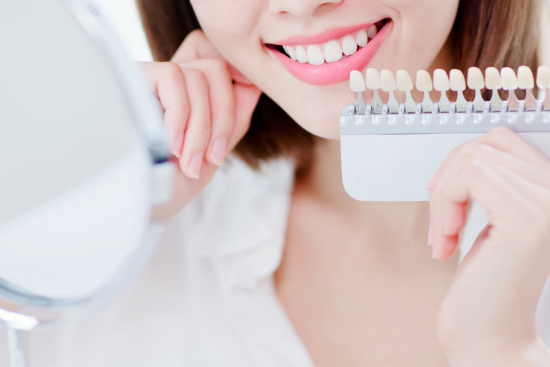
If you’ve ever caught yourself smiling with your mouth half-closed in a photo, you already know why teeth whitening is one of the most searched cosmetic treatments online. It’s cheap compared to most dental work, the results are visible within days (sometimes hours), and — unlike a lot of beauty trends — it’s backed by decades of clinical research. But “teeth whitening” isn’t one treatment. It’s an umbrella term for at least seven genuinely different approaches, and picking the wrong one for your situation is the single biggest reason people end up disappointed with their results.
This guide walks through what teeth whitening actually is, how it works on a chemical level, who should think twice before trying it, and then breaks down all seven major methods side by side — price, procedure, downtime, how long the effect lasts, and the specific situations where each one tends to fail. By the end, you should be able to point at one row in the comparison table and say “that’s mine.”
What Is Teeth Whitening, Exactly?
Teeth whitening is a cosmetic process that lightens the visible shade of your teeth, either by removing surface stains (extrinsic discoloration) or by breaking down pigment molecules trapped inside the tooth structure (intrinsic discoloration). It doesn’t clean your teeth the way a toothbrush does, and it isn’t a substitute for a dental cleaning — it’s a chemical or mechanical process aimed purely at color.
Two things cause your teeth to look duller over the years. The first is habit: coffee, red wine, tea, tobacco, turmeric, and dark berries all leave pigment on the enamel’s porous surface. The second is biology: enamel thins naturally with age, letting more of the yellowish dentin underneath show through. Some discoloration is also caused by childhood exposure to tetracycline antibiotics, excess fluoride, or trauma to a tooth’s nerve — and these intrinsic cases respond very differently to teeth whitening than a simple coffee habit does.
How Does Teeth Whitening Actually Work?
Nearly every real teeth whitening product relies on one of two active ingredients: hydrogen peroxide or carbamide peroxide (which breaks down into hydrogen peroxide once it contacts saliva or gel). These are oxidizing agents. They penetrate the enamel and dentin, and the oxygen molecules they release break apart the chemical bonds in stain pigments, scattering them into smaller, colorless fragments. Nothing is being “bleached” in the household sense — the tooth’s mineral structure stays the same; only the pigment chains inside it are broken down.
Concentration is what separates a fast professional session from a slow at-home routine. In-office gels can run anywhere from 15% to 43% hydrogen peroxide, while take-home kits typically sit between 10% and 22% carbamide peroxide (roughly a third of that number in hydrogen peroxide equivalent). Higher concentration means faster results — and a higher chance of the temporary sensitivity that comes up so often in reviews.
Newer formulations built around PAP (phthalimidoperoxycaproic acid) are gaining ground because they oxidize stains through a different pathway that doesn’t generate free radicals the same way peroxide does, which in early studies has meant less irritation to the nerve endings inside the tooth. It’s still a minority ingredient compared to peroxide-based teeth whitening, but expect to see it more often over the next few years.
Benefits of Teeth Whitening
- A visibly brighter smile, often two to eight shades lighter depending on the method and your starting point
- A fast, non-invasive way to look “put together” before an event, interview, or wedding
- A boost in confidence that several small surveys link to increased willingness to smile in photos and social settings
- Far cheaper and less invasive than veneers or crowns when the underlying teeth are otherwise healthy
- Most methods are reversible in effect — if you don’t love it, you simply stop maintaining it and your natural shade returns over time
Side Effects and Risks Worth Knowing
Teeth whitening is considered safe when used as directed, but it isn’t risk-free, and the most common complaint by far is tooth sensitivity. Peroxide temporarily opens tiny channels in the enamel, which lets hot, cold, or sweet stimuli reach the nerve more easily. Depending on the source, somewhere between roughly 30% and two-thirds of users report at least mild sensitivity during a course of treatment, though it usually fades within a few days of stopping.
Gum irritation is the second most common issue, especially with ill-fitting boil-and-bite trays or strips that slip and touch soft tissue. Overuse — bleaching far more often than a product recommends — can, over time, wear down enamel and even trigger a condition dentists sometimes call “bleachorexia,” where a person keeps whitening compulsively despite diminishing returns. Teeth whitening also does nothing for crowns, veneers, fillings, or bonding, which won’t change shade along with your natural teeth, sometimes creating a mismatched smile. Pregnant or breastfeeding women, children under 16, and people with untreated cavities or gum disease are generally advised to postpone whitening until those issues are resolved.
Quick Comparison Table: All 7 Teeth Whitening Methods
| Method | Typical Cost | Time to Visible Results | How Long It Lasts | Sensitivity Risk |
|---|---|---|---|---|
| 1. In-office professional (LED/laser-assisted) | $400–$1,200 per session | 45–90 minutes, same day | 6 months–3 years | Moderate–High |
| 2. Custom dentist-dispensed trays | $250–$700 | 3–14 nights | 9–24 months | Moderate |
| 3. Over-the-counter whitening strips | $20–$60 per box | 3–7 days | 4–6 months | Low–Moderate |
| 4. Boil-and-bite tray kits | $25–$100 | 1–3 weeks | 3–6 months | Low–Moderate |
| 5. Whitening toothpaste | $5–$20 | 2–6 weeks | Ongoing (with use) | Low |
| 6. Whitening pens & gels | $15–$40 | 1–2 weeks | 2–4 months | Low |
| 7. Natural/DIY methods (charcoal, baking soda, oil pulling) | Under $10 | Rarely visible | Not applicable | Low, but abrasion risk |
The 7 Teeth Whitening Methods, Compared in Detail
1. In-Office Professional Whitening
This is the method most people picture when they hear “teeth whitening” — the dentist’s chair, the bright light, the dramatic before-and-after. A dentist or hygienist applies a high-concentration hydrogen peroxide gel directly to the teeth after protecting the gums with a rubber dam or resin barrier, then often activates it with an LED or laser lamp to speed up the oxidation reaction.
Procedure: The appointment starts with a shade assessment and a cleaning if needed. The gel is applied in several rounds, typically 15–20 minutes each, for a total chair time of 45 to 90 minutes. Some clinics use a single long application; others prefer three shorter cycles with fresh gel each time.
Preparation and aftercare: You’ll usually be asked to skip a cleaning-day appointment right before whitening so your enamel isn’t extra porous, and to avoid deeply pigmented food and drink for 24–48 hours afterward while the enamel is most absorbent — the so-called “white diet.” A fluoride or desensitizing gel is often applied at the end of the session.
Contraindications: Active cavities, exposed dentin, cracked teeth, untreated gum disease, and pregnancy are the usual reasons a dentist will postpone the treatment.
Longevity and results: Results are the most dramatic of any teeth whitening method — often four to eight shades lighter in one visit — and can last from six months to as long as three years depending on diet, smoking habits, and touch-up frequency. It’s the method most likely to disappoint smokers or heavy coffee drinkers who skip maintenance, since staining habits resume the same day the trays come off.
When it fails: Poorly on intrinsic stains from tetracycline use or dead (non-vital) teeth, which usually need internal bleaching or a veneer instead.
2. Custom Dentist-Dispensed Take-Home Trays
Your dentist takes an impression, has a lab mold clear, snug-fitting trays specifically to your bite, and sends you home with a professional-strength carbamide or hydrogen peroxide gel to use nightly or for a set number of hours per day.
Procedure: You load a thin line of gel into each tray and wear it for anywhere from 30 minutes to overnight, typically for one to two weeks, though lower-concentration formulas can be used over several weeks.
Preparation and aftercare: Because the tray is custom-fitted, less gel touches your gums than with a generic tray, which is part of why dentists consider this one of the more comfortable teeth whitening options. You’ll be told to brush and floss before each session and to avoid eating or drinking anything but water while the tray is in.
Contraindications: Same core list as in-office treatment — active decay, exposed roots, and pregnancy top it.
Longevity and results: Slightly slower to show results than the in-office version but often just as deep, since you control total exposure time. Effects commonly hold for nine months to two years, and the trays themselves can be reused for touch-ups for years if you keep buying refill gel.
When it fails: Compliance is the biggest failure point — people who don’t wear the trays consistently, or who eat and drink with them in, get patchy or minimal results.
3. Over-the-Counter Whitening Strips
Thin, flexible strips coated with a peroxide gel that you press directly onto the front surface of your upper and lower teeth.
Procedure: Strips are applied for 5 to 60 minutes depending on the brand and concentration, once or twice a day, for a course that usually runs 7 to 20 days.
Preparation and aftercare: No special preparation is needed beyond brushing beforehand. Most brands recommend not eating or drinking (other than water) while the strips are on, and waiting 30 minutes before consuming anything acidic afterward.
Contraindications: Not recommended for anyone with braces, exposed roots, multiple crowns on visible teeth, or known peroxide sensitivity.
Longevity and results: This is one of the best value-for-effort teeth whitening options for surface stains — typically two to four shades lighter — with results lasting four to six months before touch-ups are needed.
When it fails: Strips only cover flat surfaces, so they often leave crooked or overlapping teeth unevenly whitened, and they do very little for stains between teeth or deep intrinsic discoloration.
4. Boil-and-Bite Tray Kits
A drugstore or online alternative to custom dentist trays — you soften a generic tray in hot water, bite down to shape it roughly to your teeth, then fill it with a lower-concentration peroxide gel.
Procedure: Similar wear time to strips, generally 20–60 minutes a day for one to three weeks, sometimes longer for milder gels.
Preparation and aftercare: Fit the tray carefully — this step matters more than people expect, since a loose tray lets gel pool against the gums.
Contraindications: Anyone prone to gum irritation should be cautious, since the imprecise fit is the main downside compared to a custom tray.
Longevity and results: Moderate; comparable to strips but sometimes slightly more even coverage since the gel surrounds the whole tooth rather than just the front surface. Effects last roughly three to six months.
When it fails: The generic fit is the weak point — gel leaks onto gums, causing irritation, and uneven contact with the teeth can mean patchy whitening, particularly on molars and premolars.
5. Whitening Toothpaste
Toothpaste marketed for teeth whitening typically works through mild abrasives (like hydrated silica) and sometimes a low dose of peroxide or blue covarine, a pigment that creates an optical illusion of whiteness by counteracting yellow tones.
Procedure: Used in place of your regular toothpaste, twice daily, as part of normal brushing.
Preparation and aftercare: None beyond your usual oral hygiene routine.
Contraindications: People with thin or already-worn enamel should choose a low-abrasion formula, since daily abrasive brushing over years can contribute to wear.
Longevity and results: The slowest and mildest teeth whitening method on this list — it mostly removes surface stains rather than lightening the tooth’s underlying shade, and any change is only maintained as long as you keep using the product.
When it fails: It won’t touch intrinsic discoloration at all, and expectations set by “instant whitening” marketing are almost always overblown.
6. Whitening Pens and Gels
A click-pen applicator filled with a peroxide-based gel that you paint directly onto the tooth surface with a small brush, no tray required.
Procedure: Applied to clean, dry teeth, left to sit for a set period (often without rinsing immediately), once or twice daily for one to two weeks.
Preparation and aftercare: Avoid eating, drinking, or rinsing for at least 30 minutes after application so the gel has time to work.
Contraindications: Similar to strips — avoid with braces, exposed roots, or known sensitivity.
Longevity and results: Handy for spot-touching individual stained teeth or maintaining results between bigger treatments, but the effect is shallow and short — usually two to four months.
When it fails: Precision is both the strength and the weakness; it’s easy to apply unevenly, and results on deeper or older stains are minimal.
7. Natural and DIY Methods
This covers baking soda, activated charcoal, oil pulling, hydrogen peroxide mouth rinses, and the viral “purple toothpaste” color-correctors. Some of these are genuinely popular teeth whitening searches, so they’re worth addressing directly rather than skipping.
Procedure: Varies wildly — brushing with baking soda paste, swishing coconut oil for 10–20 minutes, or brushing with charcoal powder a few times a week.
Preparation and aftercare: None specific, though dentists generally recommend limiting abrasive methods to a few times a week at most.
Contraindications: Charcoal and baking soda are both abrasive and shouldn’t be used daily on enamel that’s already thin or sensitive.
Longevity and results: This is the weakest category by a wide margin. Baking soda can lift some very light surface stains through mild abrasion, but it doesn’t change the tooth’s underlying color. Oil pulling has decent evidence for oral hygiene but essentially none for whitening. Charcoal is frequently too abrasive for regular use and can dull enamel’s natural shine over time. Purple color-correcting toothpaste doesn’t whiten anything chemically — it uses basic color theory (violet cancels out yellow) to create an instant but temporary optical effect, similar to how a blue-based primer counters sallow skin tones in makeup.
When it fails: Almost always, if the goal is a measurable shade change. These methods are best understood as maintenance habits or quick cosmetic tricks, not real teeth whitening treatments.
A Few Teeth Whitening Facts Worth Knowing
- Tooth enamel has no nerve endings itself, but it’s porous enough that whitening agents reach the sensitive dentin layer underneath — which is exactly why sensitivity happens even though enamel can’t “feel” anything directly.
- Coffee and red wine are famous culprits, but tomato sauce, curry, and soy sauce are just as capable of staining enamel over years of regular exposure.
- A tooth that has had root canal treatment can darken from the inside out; this needs “internal” whitening done by a dentist, since surface products can’t reach a dead tooth’s inner chamber.
- Whitening doesn’t affect existing dental work — crowns, veneers, and white fillings keep their original shade, which is why dentists often recommend replacing visible restorations after whitening rather than before.
- The enamel-thinning effect of aging is a big reason whitening tends to look less dramatic in people over 50 — more of the naturally yellower dentin is already showing through.
Which Teeth Whitening Method Is Actually Worth It?
If speed and drama matter most and you’re not sensitive to peroxide, in-office professional whitening remains the strongest option and, despite the higher upfront cost, often works out cheaper per month of visible results than repeatedly buying strips. If you’d rather spread the cost and control the process yourself, custom trays sit in a comfortable middle ground — a bit slower, noticeably gentler, and reusable for years. Strips are the sensible pick for anyone who mostly wants a touch-up rather than a transformation, and they’re the method with the best cost-to-result ratio for people whose staining is mild and mostly on flat front teeth. Whitening toothpaste and pens work best as maintenance tools after a bigger treatment, not as a standalone fix. And the natural, DIY category is best treated as folklore — pleasant rituals, occasionally good for general oral hygiene, but not a real substitute for any of the six methods above.
Whichever teeth whitening method you choose, the same principle applies across all of them: the better your baseline oral health, the better and longer-lasting your results will be. A cleaning beforehand, a realistic expectation about your specific type of staining, and a bit of restraint with coffee and red wine afterward will do more for your final result than switching to a stronger gel ever will.
Frequently Asked Questions About Teeth Whitening
How many teeth whitening methods are there?
There are seven main categories worth knowing about: in-office professional whitening, custom dentist-dispensed trays, over-the-counter strips, boil-and-bite tray kits, whitening toothpaste, whitening pens, and natural or DIY approaches. Within each category there are dozens of individual brands and product variations, but nearly all of them fall into one of these seven buckets.
Is teeth whitening bad for your enamel?
Used correctly, teeth whitening does not permanently damage enamel — the mineral structure itself isn’t dissolved by peroxide. What can cause harm is overuse: bleaching far more often than a product recommends, or relying on abrasive methods like charcoal daily, can wear down enamel over months and years.
How long does teeth whitening actually last?
It depends heavily on the method and your habits. In-office treatments can last anywhere from six months to a few years, while over-the-counter strips and gels typically hold for three to six months. Smoking, coffee, tea, and red wine all shorten that window considerably.
Does teeth whitening hurt?
Some sensitivity to hot, cold, or sweet stimuli is common during and shortly after treatment, especially with higher-concentration professional gels. It’s usually mild and temporary, fading within a few days once you stop using the product, though desensitizing toothpaste can help in the meantime.
Can teeth whitening damage fillings, crowns, or veneers?
No, but it also won’t change their color. Peroxide only lightens natural tooth enamel and dentin, so existing dental work will stay its original shade — sometimes creating a visible mismatch if the restoration was matched to your teeth before whitening.
What’s the safest teeth whitening method for sensitive teeth?
Whitening toothpaste and lower-concentration custom trays tend to be the gentlest options, since you can control exposure time and concentration closely. Anyone with a history of sensitivity should also ask a dentist about a desensitizing gel used before or alongside whitening.
Do natural teeth whitening remedies like charcoal or baking soda really work?
Only marginally, and only on very light surface stains. They rely on mild abrasion rather than the oxidation process that actually changes a tooth’s underlying color, so don’t expect results comparable to peroxide-based teeth whitening methods.