

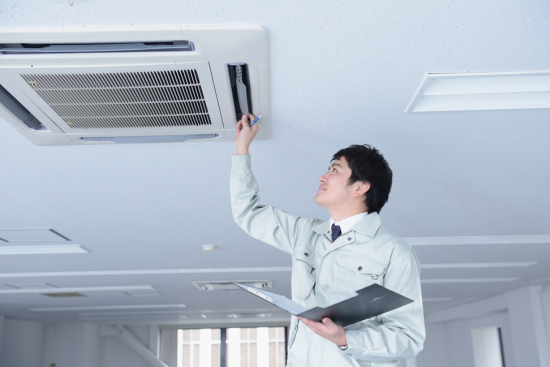
There are few things more frustrating than returning to a sweltering home on a mid-summer afternoon, clicking your thermostat to “Cool,” and feeling a steady stream of lukewarm air drifting from the vents. An air conditioner blowing warm air is a classic HVAC contradiction, and while it’s a common problem, the causes can range from a simple five-second fix to a complex mechanical failure requiring professional intervention.
Understanding why your AC has swapped its cooling powers for a heat-pump impression is the first step toward restoring comfort. This guide provides an exhaustive deep dive into the mechanical, electrical, and maintenance-related reasons for warm airflow, offering actionable solutions for homeowners and clear indicators of when it’s time to call in the experts.
1. The Thermostat: The Brain of the Operation
Before tearing into the outdoor unit or calling an HVAC technician, you must rule out the most obvious culprit: the thermostat. As the control center of your cooling system, any misconfiguration or malfunction here will lead to immediate performance issues.
The “Fan On” vs. “Auto” Dilemma
This is perhaps the most frequent cause of “warm air” complaints. If your thermostat setting is set to “ON” instead of “AUTO,” the indoor blower fan will run continuously, even when the outdoor compressor (which actually cools the air) is cycled off. When the compressor is off, the fan simply circulates the ambient air from inside your home.
-
The Fix: Switch the setting to AUTO. This ensures the fan only blows when the air is actively being cooled.
Incorrect Mode or Temperature Settings
It sounds rudimentary, but check that the system hasn’t been accidentally bumped into “Heat” mode or “Fan” mode. Additionally, if you have a programmable or smart thermostat, a glitched schedule might have raised the set point higher than the current room temperature.
-
The Fix: Ensure the mode is set to COOL and the temperature is at least 5 degrees below the current room temperature to trigger a cooling cycle.
Power and Battery Issues
Digital thermostats require power. If the batteries are dying, the display might stay lit, but the device may lack the voltage necessary to send a signal to the outdoor condenser.
-
The Fix: Replace the batteries. If the unit is hardwired, check for a tripped circuit breaker in your home’s electrical panel.
2. Restrictive Airflow: The Silent Performance Killer
An air conditioner doesn’t just “create cold”; it removes heat from your indoor air. For this heat exchange to happen, a specific volume of air must pass over the evaporator coils. When airflow is restricted, the system’s thermodynamics are thrown out of balance.
The Clogged Air Filter
A filthy air filter is the “Check Engine Light” of the HVAC world. When dust, pet dander, and debris coat the filter, the blower motor struggles to pull air through. This lack of airflow causes the evaporator coils to drop below freezing temperatures, leading to ice buildup. Once the coils are encased in ice, they can no longer absorb heat, and the air coming out of your vents will feel warm or weak.
-
The Fix: Check your filter. If you can’t see light through it, replace it. During peak summer months, filters should be checked every 30 days.
Blocked Return or Supply Vents
If you’ve recently rearranged furniture or closed off several registers in unused rooms, you may be suffocating your AC. Closing more than 20% of your home’s vents increases static pressure in the ducts, which can lead to equipment overheating or freezing.
-
The Fix: Ensure all return grilles and at least 80% of supply vents are open and unobstructed.
3. The Outdoor Condenser Unit: Heat Rejection Issues
The outdoor unit (the condenser) is responsible for releasing the heat collected from inside your home into the outside atmosphere. If this unit cannot “breathe,” the heat stays trapped in the refrigerant loop, and your vents will blow warm.
Dirt, Leaves, and Debris
The condenser coils look like a car radiator. Over time, they get coated in lawn clippings, cottonwood seeds, and dirt. This grime acts as an insulator, preventing the refrigerant from shedding heat.
-
The Fix: Turn off the power to the AC at the outdoor disconnect box. Use a garden hose (not a pressure washer, which can bend the delicate fins) to gently wash away debris from the coils.
Lack of Clearance
For optimal heat transfer, the outdoor unit needs plenty of space. If you’ve planted shrubs too close or built a decorative fence around the unit, it will recirculate its own hot exhaust air.
-
The Fix: Maintain at least 2 feet of clear space around all sides of the unit and 5 feet of clearance above it.
4. Refrigerant Leaks: The Lifeblood of the System
Refrigerant is the chemical medium that travels between the indoor and outdoor units, carrying heat away. Contrary to popular belief, an air conditioner does not “consume” refrigerant like a car consumes gas. It is a closed-loop system. If you are low on refrigerant, you have a leak.
Symptoms of a Leak
-
A hissing or bubbling sound near the AC unit.
-
Ice forming on the copper refrigerant lines or the evaporator coil.
-
The AC runs constantly but the temperature inside doesn’t drop.
-
Air coming from vents is barely cool or room temperature.
Why You Can’t Fix This Yourself
Handling refrigerant requires a specialized license (EPA 608 certification in the US) due to its environmental impact and the high pressures involved. Simply “topping it off” without fixing the leak is a waste of money and harmful to the planet.
-
The Fix: Call a professional. They will perform a leak test (using electronic sniffers or UV dye), repair the hole, and recharge the system to the manufacturer’s exact specifications.
5. Electrical Failures: Capacitors and Contactors
Air conditioners are heavy-duty electrical appliances. The outdoor unit contains two small but vital components that frequently fail due to heat stress or age: the capacitor and the contactor.
The Start/Run Capacitor
The capacitor acts like a large battery that gives the compressor and fan motor the “kick” they need to start and stay running. If the capacitor is blown (often looking swollen or “domed” at the top), the fan might spin, but the compressor won’t start. This results in the indoor fan blowing uncooled air.
-
The Fix: This is a common professional repair. While some DIYers attempt it, capacitors store a lethal electrical charge even when the power is off. It is safer to have an HVAC tech handle the replacement.
The Contactor
The contactor is a mechanical switch that closes when the thermostat calls for cooling, allowing high-voltage electricity to flow to the compressor. Over time, the silver coating on the contactor points can “pit” or burn, preventing a solid connection. Or, worse, ants and spiders are often attracted to the electromagnetic field and get crushed in the switch, preventing it from closing.
-
The Fix: A technician can clean the contact points or replace the contactor entirely.
6. Compressor Issues: The Heart of the AC
The compressor is the most expensive and critical component of your air conditioner. It pumps the refrigerant through the system, changing its pressure and state to facilitate heat transfer. If the compressor fails to engage, no cooling can occur.
Mechanical Failure or Seizing
As compressors age, internal valves can fail or the motor windings can burn out. If you hear a loud “clunk” or a rhythmic humming sound coming from the outdoor unit, but the fan is the only thing moving, the compressor might be struggling to start.
The “Hard Start” Solution
Sometimes an aging compressor just needs a little extra help. A technician might install a “Hard Start Kit,” which provides a massive electrical boost during the first few milliseconds of the cycle to overcome internal friction.
-
The Fix: If the compressor has truly “grounded” or “shorted to shell,” the entire unit or the compressor itself will need replacement. This is often the point where homeowners decide to invest in a new, more efficient AC system.
7. Frozen Evaporator Coils
It seems counterintuitive that an air conditioner would blow warm air because it’s too cold, but it happens frequently. As mentioned earlier, low airflow or low refrigerant causes the indoor evaporator coil to drop below 32°F (0°C). Humidity in the air then freezes onto the coil.
The Ice Barrier
Once a layer of ice forms, it acts as an insulator. The air being pushed by your blower fan cannot touch the cold metal of the coil because the ice is in the way. Consequently, the air stays warm.
-
The Fix:
-
Turn the AC OFF at the thermostat but turn the FAN to ON. This will blow warm indoor air over the ice to melt it.
-
Check for a dirty filter or blocked vents.
-
Do not turn the cooling back on until the ice has completely melted (which can take up to 24 hours). If it freezes again immediately, you likely have a refrigerant leak.
-
8. Ductwork Disasters: Losing Cold Air to the Attic
Sometimes, your air conditioner is actually working perfectly, but the cold air never reaches your living space. This is a “delivery” problem rather than a “production” problem.
Disconnected or Leaky Ducts
In many homes, ductwork runs through unconditioned spaces like attics or crawlspaces. If a duct section becomes disconnected or develops a large tear, your AC is effectively cooling your attic while your bedroom stays hot. This can be caused by rodents chewing through flexible ducting or old duct tape losing its adhesion.
-
The Fix: Inspect accessible ductwork for gaps or disconnected joints. Use mastic sealant or UL-rated foil tape (not standard “duck” tape) to seal leaks.
Inadequate Insulation
If your ducts aren’t properly insulated, the cold air inside the pipes will warm up significantly as it travels through a 130°F attic.
-
The Fix: Ensure all ductwork in unconditioned spaces is wrapped in R-6 or R-8 fiberglass insulation.
9. The Importance of Professional Maintenance
While the “troubleshooting” steps above can save you a service call, the reality is that complex HVAC systems benefit most from prevention. An annual “Tune-Up” is the best way to ensure your AC doesn’t blow warm air in the first place.
What Happens During a Professional Tune-Up?
-
Refrigerant Level Check: Ensuring the system is operating at peak efficiency.
-
Electrical Inspection: Checking for loose wires and testing capacitors for their “microfarad” (MFD) rating.
-
Drain Line Cleaning: Preventing water damage and mold growth.
-
Coil Cleaning: Maximizing heat transfer and reducing electricity bills.
Investing $100–$200 in a yearly inspection can prevent a $3,000 compressor failure or a $600 emergency repair on a holiday weekend.
10. Conclusion: When to DIY and When to Call a Pro
To summarize, if your AC is blowing warm air, follow this checklist in order:
-
Check the Thermostat: Is it on “Cool” and “Auto”?
-
Inspect the Air Filter: Replace it if it’s dirty.
-
Check the Breaker Box: Has a circuit tripped?
-
Examine the Outdoor Unit: Is it covered in dirt or debris?
-
Look for Ice: If you see frost, turn the system off and let it thaw.
If you have performed these steps and the air remains warm, you are likely dealing with a refrigerant leak, a failed capacitor, or a compressor issue. These require specialized tools (gauges, multimeters, vacuum pumps) and technical expertise.
By understanding the “why” behind the warm air, you can communicate more effectively with your technician and ensure your home stays a cool sanctuary throughout the hottest months of the year. Don’t let a minor maintenance issue turn into a major mechanical failure—stay proactive, keep your filters clean, and keep your cool.