If you’ve spent any time scrolling home renovation videos or wandering the flooring aisle at a hardware store, you’ve probably run into the word “vinyl” more than once — usually followed by someone raving about how much they love it. But what is vinyl flooring, really, and is it actually worth the hype, or just a trend fueled by clever marketing? Let’s slow down and take a proper look, because this is one of those purchases that’s easy to get wrong if you rush it.
By the end of this guide, you’ll understand exactly what vinyl flooring is made of, why so many homeowners and renters are switching to it, which rooms it suits best, whether you can install it yourself, what mistakes to avoid, how to shop for it without getting oversold, when it’s genuinely the wrong choice, and how the cost stacks up against hardwood, laminate, and tile. No fluff — just the practical stuff you actually need before you spend your money.
What Is Vinyl Flooring, Exactly?
At its core, vinyl flooring is a synthetic floor covering made primarily from polyvinyl chloride (PVC), combined with plasticizers, stabilizers, and pigments that give it flexibility, durability, and color. Unlike hardwood or tile, which are cut or fired from natural materials, vinyl is manufactured in layers — a process that lets manufacturers print incredibly realistic images of wood grain, stone, or concrete onto the surface and then protect that image with a tough, clear wear layer on top.
So when someone asks “what is vinyl flooring” in a single sentence, the honest answer is this: it’s a multi-layered, water-resistant, budget-friendly flooring material designed to mimic the look of natural materials while being far easier to install, maintain, and repair.
That combination — realistic appearance plus practical performance — is exactly why vinyl has quietly become one of the fastest-growing flooring categories in North America and Europe over the last decade. It’s no longer the flimsy, shiny “linoleum-looking” stuff many of us remember from older kitchens and basements. Modern vinyl is a completely different product.
A Quick History (Because Context Helps)
Vinyl flooring isn’t new — it dates back to the 1930s, when PVC was first used commercially. Early versions were thin, prone to yellowing, and had a distinct chemical smell. Through the 1960s and 70s it became a staple in American kitchens and bathrooms thanks to its low cost, but it had a reputation for looking cheap and wearing out quickly.
The real transformation happened in the 2010s with the rise of luxury vinyl plank (LVP) and rigid-core vinyl. Improved printing technology, better wear layers, and rigid cores made vinyl genuinely competitive with hardwood and tile — not just as a budget substitute, but as a legitimate flooring choice in its own right. This history matters because it explains why some people still associate vinyl with the cheap stuff their grandparents had, while others swear by the premium version installed in their new home last year. Both experiences are real; they’re just describing very different eras of the same broad category.
The Anatomy of Vinyl Flooring: What’s Actually Inside It
To really answer what is vinyl flooring at a technical level, it helps to look at what’s inside a single plank or tile. Most modern products are built in four to six layers:
- Backing layer – provides stability and, in some products, cushioning or sound dampening.
- Core layer – this is where the biggest differences between product types show up (more on that below).
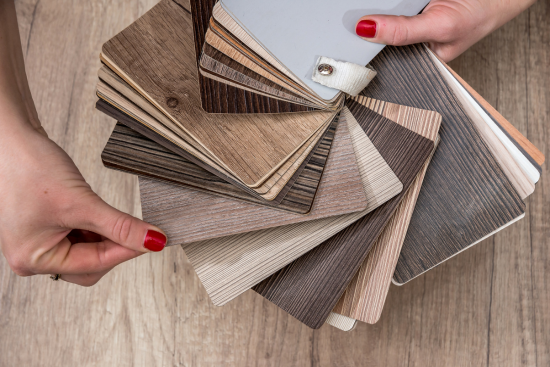
- Printed design layer – a high-resolution photographic image of wood, stone, tile, or another material.
- Wear layer – a clear, protective coating measured in millimeters (mm) or mils that resists scratches, stains, and fading.
- Optional UV coating or texture layer – adds extra scratch resistance and a realistic tactile finish (embossing that matches the grain pattern you see).
The thickness and quality of that wear layer is the single biggest factor in how long your floor will last, so it’s worth paying attention to when you shop — we’ll come back to that in the buying section.
Types of Vinyl Flooring
One of the most common points of confusion is that “vinyl flooring” isn’t one single product — it’s a category with several distinct types, each with its own strengths. Here’s a breakdown:
| Type | What It Is | Best For | Typical Price Range (per sq ft, materials only) |
|---|---|---|---|
| Sheet Vinyl | Large rolls, minimal seams, fully waterproof | Bathrooms, laundry rooms, rentals | $0.50–$3 |
| Vinyl Composition Tile (VCT) | Individual tiles, commercial-grade | Offices, retail, garages | $1–$3 |
| Luxury Vinyl Tile (LVT) | Tile-look planks, often with grout-line detailing | Kitchens, bathrooms styled to look like stone | $2–$5 |
| Luxury Vinyl Plank (LVP) | Plank-format, realistic wood look, glue-down or click-lock | Living rooms, bedrooms, whole-home flooring | $2–$6 |
| Rigid Core (SPC) | Stone Plastic Composite core, extremely rigid and dent-resistant | High-traffic homes, pet owners | $2.50–$6 |
| Rigid Core (WPC) | Wood Plastic Composite core, softer underfoot, quieter | Bedrooms, family rooms | $3–$7 |
Knowing this distinction is genuinely important — someone shopping for a waterproof bathroom floor and someone shopping for a soft, warm-feeling bedroom floor are really looking at two different products, even though both fall under the same “vinyl flooring” umbrella.
What Is Vinyl Flooring Good For? 12 Benefits Worth Knowing
Now let’s get into why vinyl has become such a popular answer to “what should I put on my floor.” Here are twelve genuine, practical benefits — not marketing fluff.
1. Excellent water resistance. Most rigid-core vinyl products are 100% waterproof, not just water-resistant, making them a strong choice for kitchens, bathrooms, and basements where spills and humidity are a constant concern.
2. Budget-friendly compared to natural materials. Even premium vinyl products typically cost a fraction of solid hardwood or natural stone, without sacrificing much visually.
3. Realistic wood and stone visuals. High-definition printing and embossed textures mean many vinyl floors are genuinely difficult to distinguish from real wood or tile at a glance.
4. Comfortable underfoot. Unlike tile or stone, vinyl has some give to it, which makes standing in the kitchen for long stretches noticeably more comfortable — especially with WPC cores.
5. Warmer than tile or stone. Vinyl doesn’t feel cold in winter the way ceramic tile does, which matters a lot in colder climates.
6. Easy to clean and maintain. Regular sweeping and occasional damp mopping is usually all it needs — no sealing, waxing, or refinishing required.
7. Durable wear layer. A quality wear layer resists scratches from pet claws, furniture legs, and everyday foot traffic far better than older resilient floors.
8. Simple, often DIY-friendly installation. Click-lock plank systems in particular are designed for straightforward installation without specialized tools.
9. Sound-dampening properties. Many products include an attached underlayment that reduces noise transfer between floors, which is a real plus in apartments and multi-story homes.
10. Wide design variety. From herringbone wood patterns to marble-look tile, the design options available in vinyl now rival — and sometimes exceed — what’s available in natural materials.
11. Good for allergy sufferers. As a smooth, non-porous surface, vinyl doesn’t trap dust, pollen, or pet dander the way carpet does.
12. Suitable for radiant floor heating. Many rigid-core vinyl products are rated for use over radiant heating systems, something not all natural materials handle well.
Taken together, these benefits explain why vinyl flooring has moved from being a “cheap alternative” to a legitimate first choice for many homeowners, landlords, and even commercial spaces.
Vinyl Flooring vs. Other Popular Materials
It’s worth pausing here for a direct comparison, because a lot of people asking what is vinyl flooring are really asking how it stacks up against the alternatives they’re already considering.
Vinyl vs. laminate. Both are budget-conscious, DIY-friendly options, but the core difference is moisture. Laminate has a wood-fiber core that can swell or warp if it gets wet, while rigid-core vinyl is built to handle standing water without structural damage. If a bathroom or laundry room is involved, vinyl is almost always the safer pick.
Vinyl vs. hardwood. Hardwood offers unmatched authenticity, can be refinished for decades, and often adds more resale value. Vinyl trades some of that prestige for a dramatically lower price, better moisture tolerance, and far less maintenance. For a busy family kitchen, vinyl frequently wins on practicality; for a formal living room in a high-end home, hardwood may still be the better long-term investment.
Vinyl vs. tile. Ceramic and porcelain tile are extremely durable and completely unaffected by water, but they’re cold, hard underfoot, and unforgiving if you drop something fragile. Vinyl offers a similar look with noticeably more comfort and a lower installation cost, though tile generally wins on sheer longevity.
Vinyl vs. carpet. Carpet is warmer and softer, but it traps allergens, stains easily, and struggles in moisture-prone rooms. Vinyl is the more practical choice anywhere spills, pets, or humidity are a regular concern.
Environmental and Health Considerations
Because vinyl is a PVC-based product, it’s fair to ask about its environmental footprint and indoor air quality impact — this is one of the more common follow-up questions once people understand what is vinyl flooring on a technical level.
- VOC emissions. Cheaper, uncertified vinyl products can off-gas volatile organic compounds for a period after installation. Choosing a FloorScore or GREENGUARD Gold certified product significantly reduces this concern.
- Manufacturing footprint. PVC production is petroleum-based, which is a legitimate consideration for environmentally conscious buyers. Several manufacturers have introduced lines with recycled content or reduced-VOC formulations in response to this demand.
- End-of-life disposal. Vinyl flooring is technically recyclable, but few municipal recycling programs accept it, so most old vinyl still ends up in landfill. Some manufacturers now offer take-back programs for large commercial installations.
- Indoor air quality after installation. Airing out the room for 48–72 hours after installation and choosing low-VOC adhesives (for glue-down products) can meaningfully improve air quality during the initial off-gassing period.
If indoor air quality or environmental impact is a top priority for your household, it’s worth specifically shopping for certified, low-VOC vinyl lines rather than assuming all products in the category perform the same on this front.
Which Rooms Does Vinyl Flooring Work Best In?
Given its water resistance and comfort, vinyl tends to shine in specific spaces:
- Kitchens – handles spills, dropped utensils, and standing water around the sink without issue.
- Bathrooms – full waterproofing makes rigid-core vinyl one of the safest bets for splash zones.
- Basements – resistant to moisture and less prone to warping than hardwood or laminate in humid conditions.
- Laundry rooms – built to tolerate leaks from washing machines.
- Entryways and mudrooms – stands up well to dirt, grit, and wet shoes.
- Living rooms and bedrooms – WPC and thicker LVP options offer a warm, comfortable surface for everyday living.
- Home offices – easy rolling for office chairs and simple to clean.
Where it’s less ideal: rooms with intense, direct sunlight for many hours a day (lower-quality vinyl can fade over years without UV protection) and spaces where you specifically want the resale value bump that only solid hardwood tends to deliver.
Can You Install Vinyl Flooring Yourself?
Yes — and this is one of the reasons vinyl has become so popular with DIY renovators. Click-lock luxury vinyl plank, in particular, was designed with the home DIYer in mind. That said, “possible” doesn’t mean “foolproof,” and there are a handful of mistakes that trip up even careful first-timers.
Common DIY Mistakes to Avoid
- Skipping the acclimation period. Vinyl planks need to sit in the room for 24–48 hours before installation so they adjust to the room’s temperature and humidity. Skipping this can cause gaps or buckling later.
- Installing over an uneven subfloor. Vinyl is thin and unforgiving — any bump, dip, or debris underneath will telegraph through the surface over time.
- Not leaving an expansion gap. Vinyl expands and contracts slightly with temperature changes. Installing planks flush against the wall with zero gap often leads to buckling.
- Ignoring moisture testing. Especially in basements or over concrete, skipping a moisture test can lead to adhesive failure or mold issues down the line.
- Using the wrong underlayment (or none at all). Some products need a specific underlayment; using the wrong one can void the warranty or cause a hollow, unstable feel underfoot.
- Rushing the layout planning. Not dry-fitting rows first often results in awkward, tiny plank slivers along the final wall, which looks unfinished and wears out faster.
- Overtightening seams on glue-down products. This can cause adhesive to squeeze out and create visible ridges once it cures.
If your subfloor is level, dry, and clean, and you’re working with a click-lock rigid-core product, a motivated DIYer can absolutely install vinyl flooring successfully over a weekend. Glue-down sheet vinyl and intricate pattern layouts, on the other hand, are where most people benefit from hiring a professional.
How to Lay Vinyl Flooring: Step-by-Step Overview
Here’s a general roadmap for a click-lock plank installation, the most common DIY-friendly method:
- Prepare the subfloor. It must be clean, dry, and flat — within about 3/16 inch over a 10-foot span, per most manufacturer guidelines.
- Let the planks acclimate. Leave boxes in the room, unopened, for at least 24–48 hours.
- Measure and plan your layout. Decide on plank direction (usually parallel to the longest wall or the main light source) and dry-lay a row to check spacing.
- Install underlayment if required. Some rigid-core products have it pre-attached; others need it laid separately.
- Start the first row. Leave a 1/4 to 3/8 inch expansion gap along the wall, which baseboards or quarter-round will later cover.
- Click subsequent planks into place, staggering the end joints between rows by at least 6–8 inches for a natural look and added structural stability.
- Cut planks to fit around doorways, vents, and corners using a utility knife (for thinner products) or a fine-tooth saw (for rigid-core).
- Install transition strips where the vinyl meets other flooring types.
- Reinstall baseboards or add quarter-round to cover the expansion gap.
- Wait before moving heavy furniture back — check manufacturer guidance, but 24 hours is a common minimum.
Glue-down and sheet vinyl installations follow a different process involving adhesive spreading and, in the case of sheet vinyl, careful seam sealing — these are the formats where professional installation tends to pay off.
What to Look For When Buying Vinyl Flooring
Not all vinyl is created equal, and this is where a lot of buyers get steered wrong by price alone. Here’s what actually matters:
- Wear layer thickness. Look for at least 12 mil for moderate residential traffic, and 20 mil or more for high-traffic homes or families with large pets.
- Core type. SPC is more rigid and dent-resistant; WPC is softer, warmer, and quieter underfoot but slightly less dent-resistant.
- Waterproof vs. water-resistant. These are not the same thing — confirm which one you’re actually buying, especially for bathrooms and basements.
- Wear warranty length. Residential warranties often range from 10 to 25 years; commercial-grade products may offer shorter but more traffic-specific coverage.
- Installation method. Click-lock is more DIY-friendly; glue-down often provides a slightly more solid feel and is common in commercial settings.
- Certifications. Look for FloorScore or GREENGUARD certification if indoor air quality and low VOC emissions are a priority for your household.
- Texture and embossing. Higher-end products emboss the texture to match the printed grain pattern, which makes a real visual and tactile difference versus flat, glossy budget options.
- Sample in your actual room. Lighting drastically changes how a floor looks — always view a physical sample in the room’s natural and artificial light before committing.
When Is It Better to Avoid Vinyl Flooring?
As much as vinyl flooring has going for it, it isn’t the right answer for every situation. Consider skipping it if:
- You’re prioritizing long-term resale value in a high-end market. Solid hardwood still commands a premium with many buyers and appraisers that vinyl, however realistic, typically doesn’t match.
- You want a floor that can be refinished or repaired indefinitely. Hardwood can be sanded and refinished multiple times over decades; vinyl generally needs to be replaced once it’s damaged or worn out.
- You’re deeply concerned about plastic and petroleum-based materials in your home for environmental or personal reasons — natural materials like wood, cork, or linoleum (a different, plant-based product despite the similar name) may align better with those values.
- The space gets intense, unfiltered sun for most of the day, every day, and you’re using a lower-end product without strong UV-resistant coating — fading over years is a real risk.
- You need extreme heat resistance, such as directly in front of a wood-burning stove without a hearth pad — vinyl can be damaged by sustained high heat.
How Much Does Vinyl Flooring Cost Compared to Other Materials?
Cost is often the deciding factor, so let’s put real numbers side by side. These are approximate U.S. material costs per square foot; labor typically adds $1.50–$4 per square foot depending on your region and installation complexity.
| Material | Material Cost (per sq ft) | Typical Lifespan | Water Resistance | DIY Friendly? |
|---|---|---|---|---|
| Vinyl (LVP/SPC/WPC) | $2–$7 | 10–25 years | Excellent (often waterproof) | Yes |
| Laminate | $1–$5 | 10–20 years | Moderate (some waterproof lines) | Yes |
| Ceramic/Porcelain Tile | $2–$10 | 25+ years | Excellent | Moderate |
| Engineered Hardwood | $4–$12 | 20–30 years | Fair | Moderate |
| Solid Hardwood | $6–$18 | 50+ years (with refinishing) | Poor | No |
| Natural Stone | $8–$20+ | 50+ years | Good (needs sealing) | No |
As the table shows, vinyl sits in a genuinely attractive middle zone: notably cheaper than hardwood and stone, comparable to or slightly above laminate, but with far better water resistance than both laminate and hardwood — which is exactly why it’s become such a common recommendation for kitchens and bathrooms specifically.
A Few Interesting Facts About Vinyl Flooring
- The best-selling flooring category in the U.S. residential market over the past several years has consistently been luxury vinyl, overtaking both carpet and hardwood in many national surveys.
- Some rigid-core vinyl products are rated to handle temperature swings that would cause hardwood to visibly warp, which is part of why it performs so well in three-season rooms and basements.
- A handful of manufacturers now offer vinyl flooring made with partially recycled content or bio-based plasticizers, aimed at reducing the environmental footprint of the category.
- Commercial vinyl composition tile (VCT) has been used in schools, hospitals, and airports for decades — long before “luxury vinyl” became a residential buzzword — because of its exceptional durability under constant foot traffic.
- Despite its plastic-based composition, quality vinyl flooring is fully recyclable in specialized facilities, though curbside recycling programs generally don’t accept it.
Long-Term Care: Keeping Vinyl Flooring Looking New
A floor is only as good as the care it gets, and vinyl rewards a light-touch maintenance routine more than most materials.
- Sweep or vacuum regularly using a soft-brush attachment — vacuums with beater bars can scratch the wear layer over time.
- Damp mop, don’t soak. Excess standing water can seep into seams on some products, particularly click-lock installations without sealed edges.
- Use furniture pads, not felt alone, under heavy furniture legs to prevent indentation.
- Avoid direct sunlight exposure for extended periods where possible; UV-protective window film or curtains help prevent gradual fading.
- Wipe up spills promptly, especially anything acidic like wine, citrus juice, or vinegar, which can dull the finish if left too long.
- Skip steam mops and harsh solvents, both of which can degrade the wear layer’s protective coating and shorten the floor’s lifespan.
Followed consistently, this kind of routine care is a big part of why well-installed vinyl flooring can comfortably last well into its second decade without looking tired.
Final Thoughts
So, what is vinyl flooring at the end of the day? It’s a practical, versatile, and genuinely well-engineered flooring option that has earned its popularity rather than simply riding a marketing trend. It won’t replace solid hardwood for every buyer, and it’s not automatically the right call for every room — but for kitchens, bathrooms, basements, and busy family homes, it’s hard to beat the combination of water resistance, comfort, price, and design variety it offers. The key is choosing the right type and quality level for your specific room, rather than assuming all vinyl products are interchangeable.
If you take one thing away from this guide, let it be this: don’t buy vinyl flooring based on looks or price alone. Check the wear layer, confirm whether it’s genuinely waterproof, and picture how the room will actually be used day to day. Do that, and there’s a good chance vinyl will earn a long-term spot in your home.
Vinyl Flooring in Commercial and Rental Properties
Residential homeowners aren’t the only ones asking what is vinyl flooring is right for their space — landlords, property managers, and small business owners have their own reasons to pay attention.
For rental properties, vinyl’s combination of durability and low cost makes it an easy way to refresh a unit between tenants without the ongoing upkeep carpet demands. It also tends to photograph well for listings, which matters more than people expect in a competitive rental market.
For small commercial spaces like cafes, salons, or retail shops, vinyl composition tile and heavier-gauge LVT are popular because they hold up to constant foot traffic, rolling carts, and frequent cleaning without the cost of natural stone or the maintenance demands of hardwood.
In both cases, the calculation is similar to residential use: weigh the lower upfront and lifecycle cost against the somewhat shorter lifespan compared to premium natural materials, and decide based on how long you expect to hold the property or lease.
Frequently Asked Questions
What is vinyl flooring made of?
Vinyl flooring is made primarily from polyvinyl chloride (PVC) resin combined with plasticizers, stabilizers, and pigments, layered with a printed design film and a protective wear layer on top.
Is vinyl flooring actually waterproof, or just water-resistant?
It depends on the product. Most rigid-core options (SPC and WPC) are fully waterproof, while some thinner or older-style vinyl products are only water-resistant. Always check the manufacturer’s specifications before buying, especially for bathrooms and basements.
How long does vinyl flooring typically last?
With proper installation and reasonable care, quality vinyl flooring generally lasts 10 to 25 years, depending on the wear layer thickness and the amount of foot traffic it handles.
Can vinyl flooring be installed over existing tile or hardwood?
In many cases, yes, as long as the existing floor is flat, structurally sound, and free of major damage. A professional assessment is worthwhile if you’re unsure, since an uneven surface underneath can shorten the lifespan of the new floor.
Does vinyl flooring increase home value?
It can modestly improve a home’s appeal and marketability, particularly compared to worn carpet or outdated tile, but it typically doesn’t add as much resale value as solid or engineered hardwood in most real estate markets.
Is vinyl flooring safe for homes with pets?
Generally yes — its scratch-resistant wear layer and waterproof properties make it a popular choice for pet owners. Choosing a thicker wear layer (20 mil or more) provides extra protection against claws.
How do you clean and maintain vinyl flooring?
Regular sweeping or vacuuming, combined with occasional damp mopping using a manufacturer-approved cleaner, is usually enough. Avoid steam mops and abrasive cleaners, which can damage the wear layer over time.